Dark Circles & Under-Eye
Dark circles are one of the most common skin complaints—and one of the hardest to treat. The key is understanding what type you have. This guide helps you identify the cause, find treatments that actually work, and know when topicals won't cut it.
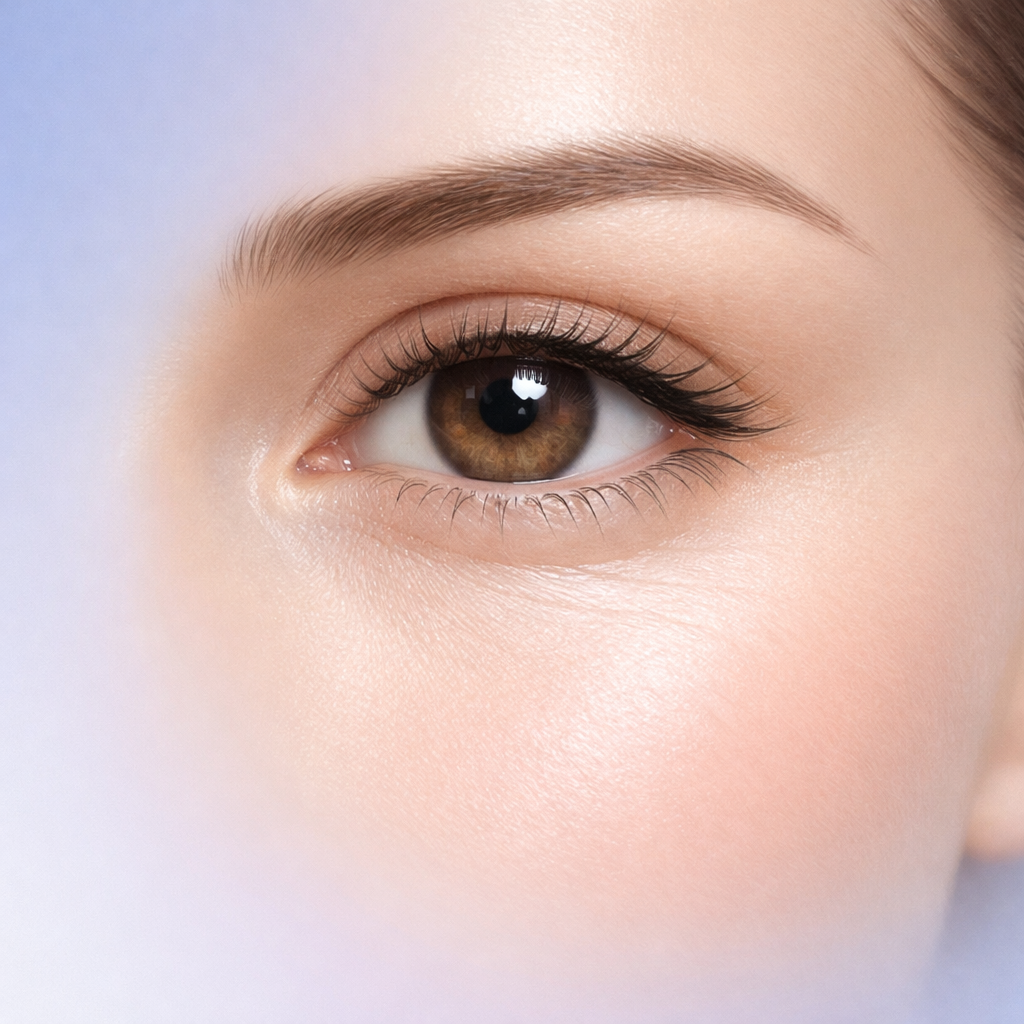
What type of dark circles do you have?
Answer a quick question to find the right approach.
Which change would you like to read about?
Brown or gray-looking circles
Brown or gray color can involve pigmentation, but color alone cannot establish the cause. This quiz cannot diagnose a condition or select an eye-area treatment. Read about possible causes and seek advice for new, persistent or one-sided changes.
Read: Dark Circles Causes & FixesBlue or purple-looking circles
Visible vessels, pigmentation, skin thickness and lighting can all affect appearance. A blue or purple shade does not identify a single cause or mean that a laser or filler is appropriate. An examination can help you discuss options.
Read: Does Caffeine Eye Serum Work?Structural (Hollow) Dark Circles
Hollows and puffiness can cast shadows. Creams do not substitute for lost volume, but a procedure is optional and not suitable for everyone. Discuss benefits, alternatives and serious risks with a qualified clinician before considering an injection.
Read: Tear Trough Filler vs Eye CreamUnder-Eye Puffiness
Puffiness has several possible causes. A cool damp cloth may temporarily help mild puffiness. Persistent or worsening swelling deserves assessment; eye pain or vision changes need prompt medical attention.
Read: Does Caffeine Eye Serum Work?All Guides & Resources
Everything you need to understand and address dark circles.
Understanding Dark Circles
Treatments & Ingredients
Puffiness & Morning Issues
Professional Treatments
Starter routine
A gentle routine focused on the delicate under-eye area.
AM Routine
- 1 Gentle cleanse — avoid tugging under eyes
- 2 Optional eye product — check that its label permits use near the eyes
- 3 Moisturizer if needed — use one you tolerate and avoid getting it into the eyes
- 4 Sun protection — follow sunscreen directions and use sunglasses and shade
PM Routine
- 1 Remove makeup — oil cleanser, no tugging
- 2 Gentle cleansing — a second cleanser is optional
- 3 Treatment, if advised — follow the specific label and clinician’s directions
- 4 Moisturizer if needed — avoid products that sting or migrate into the eyes
Causes Cheat Sheet
The three types of dark circles and what helps each.
Pigmentation (Brown/Gray)
Pigment can contribute, including after irritation. The right care depends on the cause; a face serum is not automatically suitable near the eyes.
Vascular (Blue/Purple)
Visible vessels and skin thickness can affect color. Appearance alone does not establish that a particular eye cream or procedure will help.
Structural (Shadows/Hollows)
Anatomy can create shadows. A consultation can explain options and their limits; choosing no cosmetic treatment is valid.
Allergy Shiners
Allergies and rubbing may contribute to under-eye changes. Discuss persistent allergy symptoms with a clinician or pharmacist rather than choosing a medicine from a skin-color quiz.
Sleep Deprivation
Tiredness can make existing circles more noticeable, but dark circles do not prove a sleep problem. Rest may help appearance without addressing every cause.
Genetic/Ethnic
Some people naturally have deeper-set eyes or more pigmentation around eyes. This is normal variation. Management is the goal—complete elimination may not be realistic.
What not to do
These mistakes can make dark circles worse or waste your money.
Rubbing or tugging under-eye skin. The skin here is thin and fragile. Aggressive makeup removal or application causes irritation and can worsen pigmentation over time.
Moving a face treatment closer to your eyes. Follow the label’s eye-area precautions. Moisturizer underneath does not make a product suitable for eyelids or the lash line. Stop an optional cosmetic that irritates and seek advice for eye symptoms.
Feeling that hollows must be treated. Cosmetic treatment is optional. Creams have limits, and procedures have risks; discuss both without assuming you need an injection.
Ignoring sun protection around the eyes. Use sunglasses, shade and sunscreen as its label directs. Keep products out of the eyes; if they sting, review the product or application method.
Layering treatments to speed up results. More products can increase irritation. A separate active eye treatment is optional and should have a clear, suitable purpose.
Waiting through worsening symptoms. Results depend on the cause and treatment. Do not keep using a painful product to complete an arbitrary trial period; ask for advice.
When to see a dermatologist
Some situations need professional evaluation.
- Dark circles are new or suddenly worse (rule out medical causes)
- You have structural hollows and want to discuss filler options
- Symptoms persist, worsen or affect one eye more than the other
- You're considering laser treatment for vascular dark circles
- Under-eye bags are persistent and affecting your quality of life
- You have chronic allergies that may be causing allergy shiners
Common questions
Quick answers to the most-asked dark circle questions.
What causes dark circles under the eyes?
Do caffeine eye creams actually work for dark circles?
Why are my dark circles worse in the morning?
Can retinol help with dark circles?
Sources and eye-area precautions
Read Mayo Clinic’s overview of dark circles and the FDA guidance on dermal fillers. Injection into a blood vessel can cause tissue damage, stroke or blindness. Unusual pain, changes in vision or pale, gray or blue skin during or soon after an injection requires immediate medical attention.
100% Independent. Always.
We never monetize through brand deals, affiliate links, or ads — so you can trust our recommendations.
Get your personalized routine
Use skncoach to organize routine notes and visible changes. A photo cannot diagnose an eye condition, choose a medicine or establish whether a procedure is appropriate.